
47 buildings. Activation in under four seconds.
R-Sentry was built around one measurable gap: on-site-only systems activate too slowly to contain fast-spreading fires. Remote activation closes that gap at the sensor level.
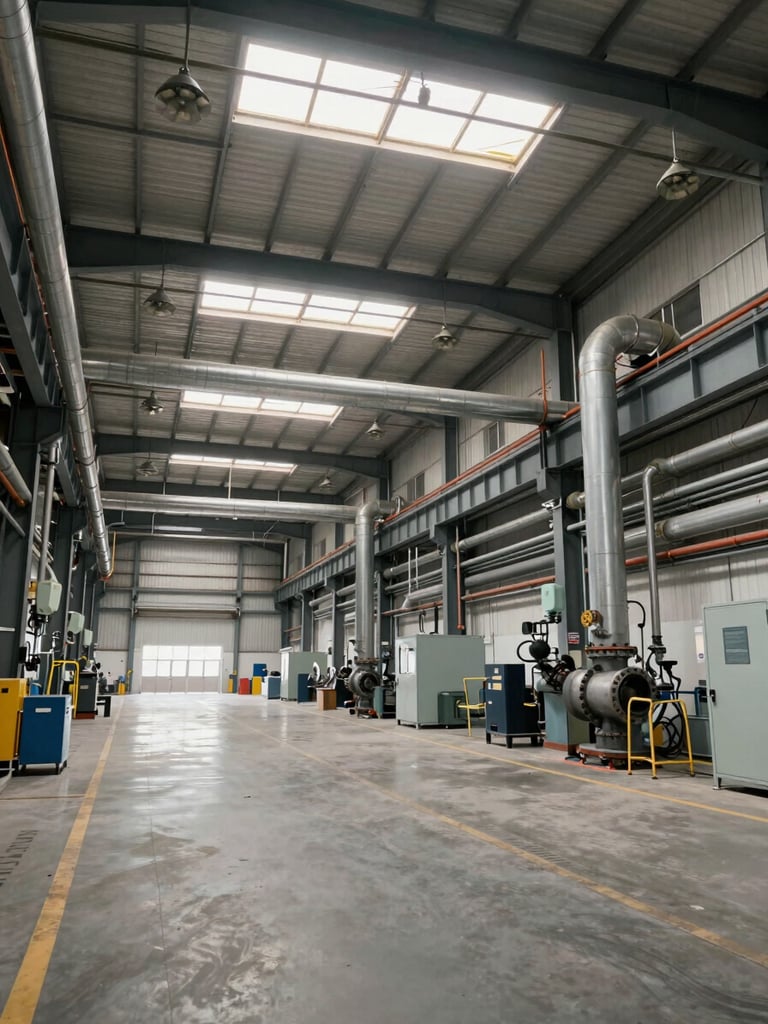
47 active sites. Logs on request.
Each installation carries a full activation log — timestamped sensor triggers, suppression responses, and uptime records. No summary reports. Raw data, available for review.
Sites span warehouses, data centers, and industrial processing facilities. Every system operates on the same sensor-to-suppression protocol with no manual gate in the activation chain.
Built by industrial fire systems engineers.
The R-Sentry team comes from industrial suppression design, not general alarm monitoring. Every protocol — sensor placement, activation thresholds, redundancy paths — was specified for fire, not adapted from a generic IoT framework.
Remote activation was the founding requirement, not a retrofit. The architecture reflects that: suppression decisions happen at the sensor node, with monitoring infrastructure confirming and logging each event.